



This article is for informational and educational purposes only and does not constitute medical, nutritional, or fitness advice. Individual responses to supplements and ingredients can vary. Always read product labels and follow manufacturer directions. If you are pregnant, breastfeeding, under 18, have a medical condition, or take any medication, consult a qualified healthcare professional before using supplements. If you experience unwanted effects, stop use and seek professional advice.
How to Choose the Right Fitness Supplements for Your Goals
Fitness supplements are widely used by athletes and active individuals to support training routines and nutritional intake. With many products available, understanding how to choose supplements that align with personal fitness goals can help make informed and responsible decisions.
Identifying Your Fitness Goals
Before considering any supplement, it is important to define your fitness objectives. Common goals include increasing muscle mass, reducing body fat, supporting endurance, or aiding recovery. Each goal may involve different nutritional considerations.
For example, individuals focusing on muscle development often prioritise adequate protein intake, while those aiming to manage body weight may focus on overall calorie balance and lifestyle habits. Understanding your goal provides a framework for evaluating which supplements may be appropriate.
Common Types of Fitness Supplements
Fitness supplements fall into several broad categories. Understanding their general purpose can help narrow down options.
Protein Supplements
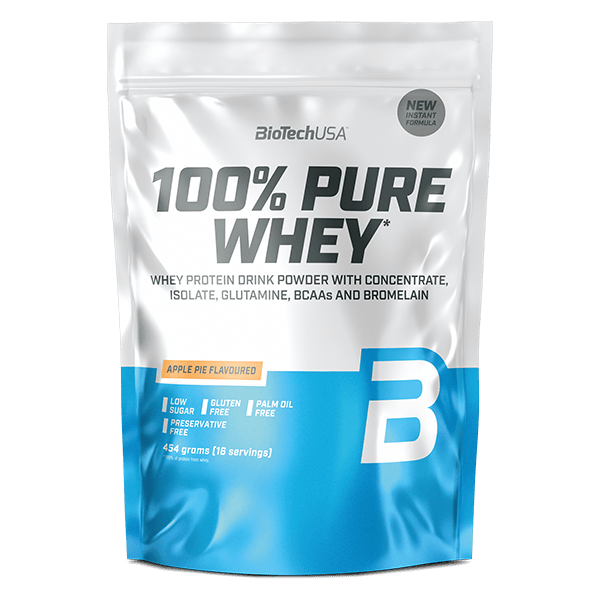
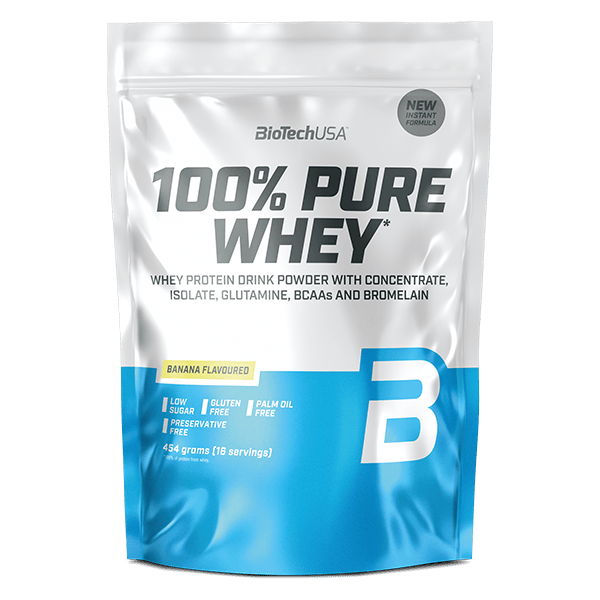
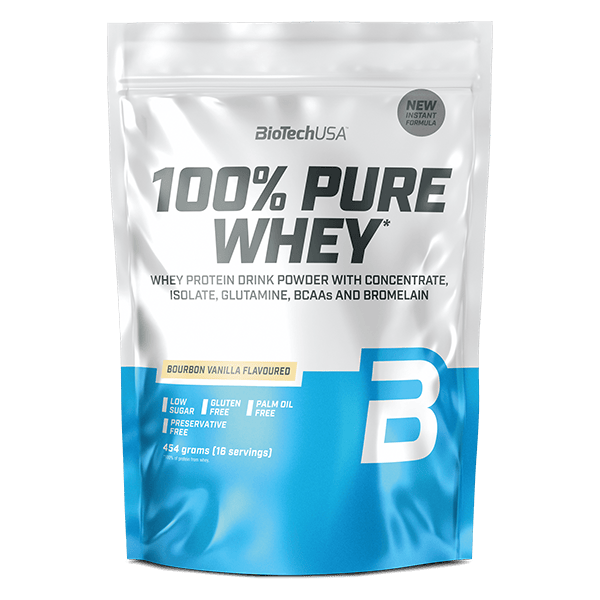
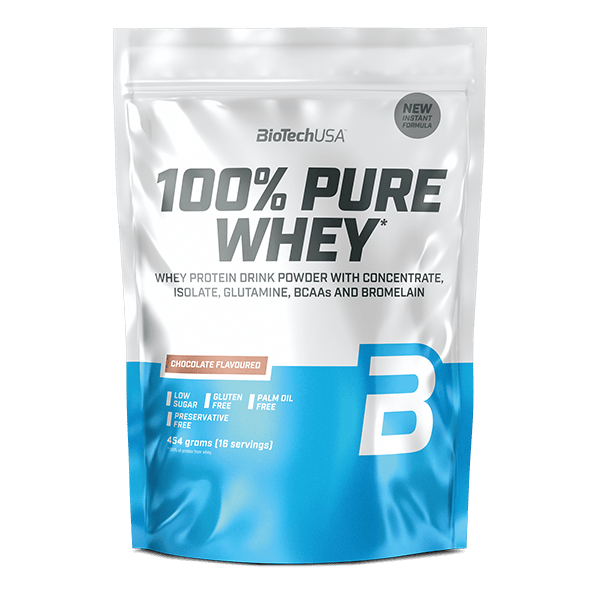
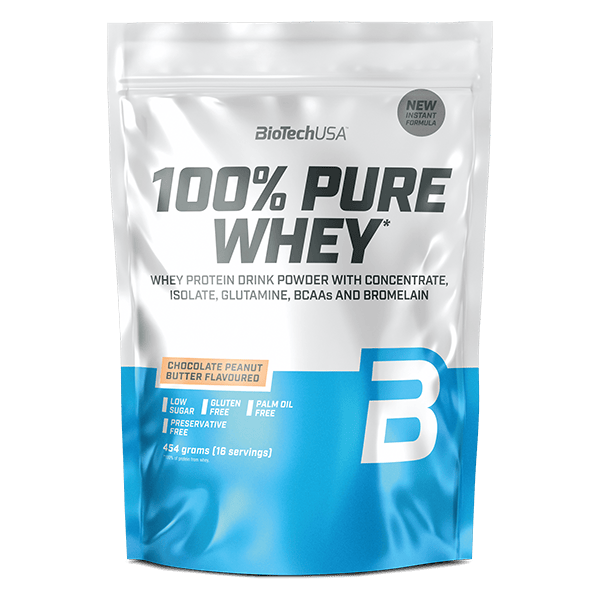
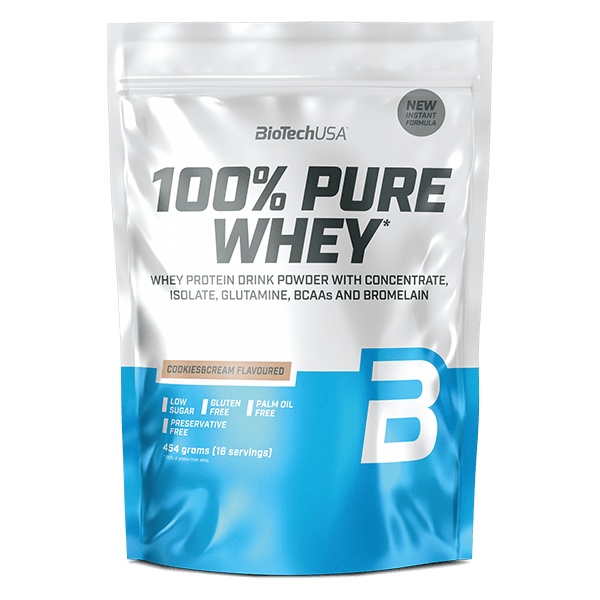
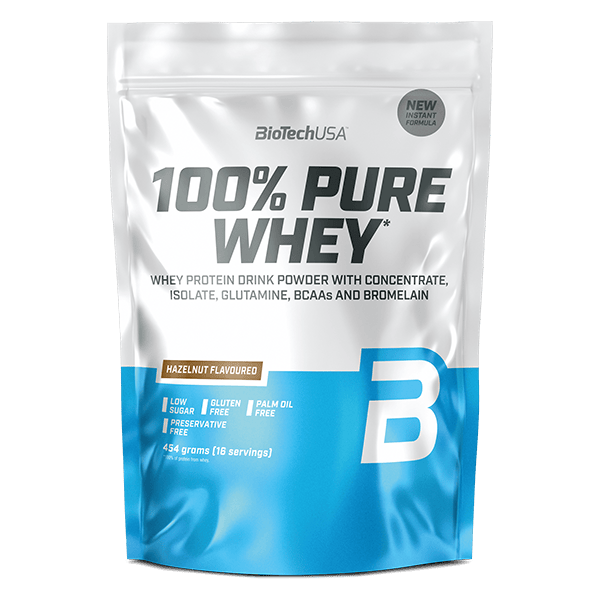
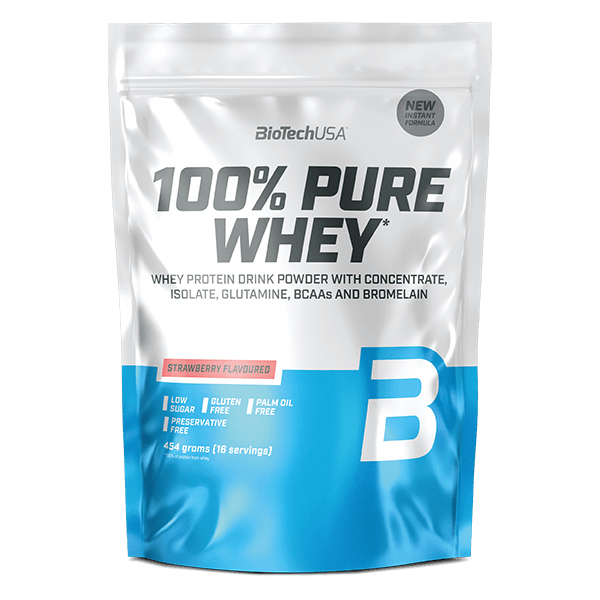
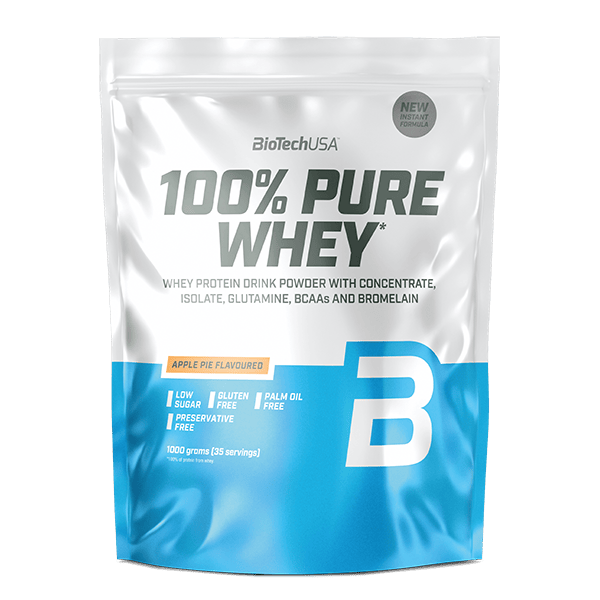
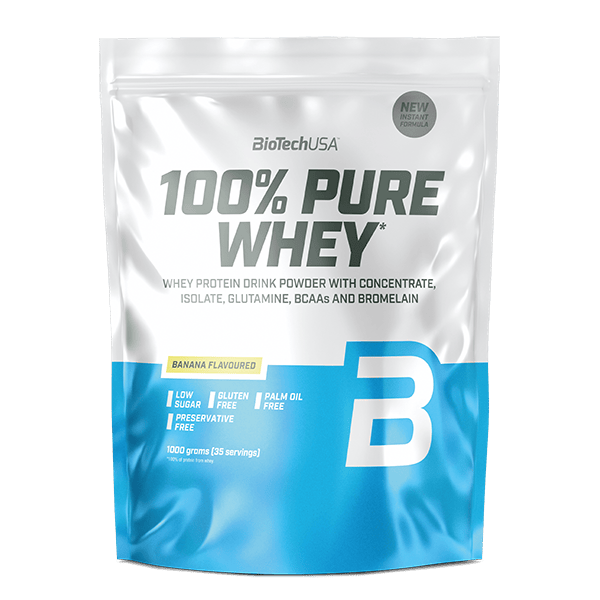
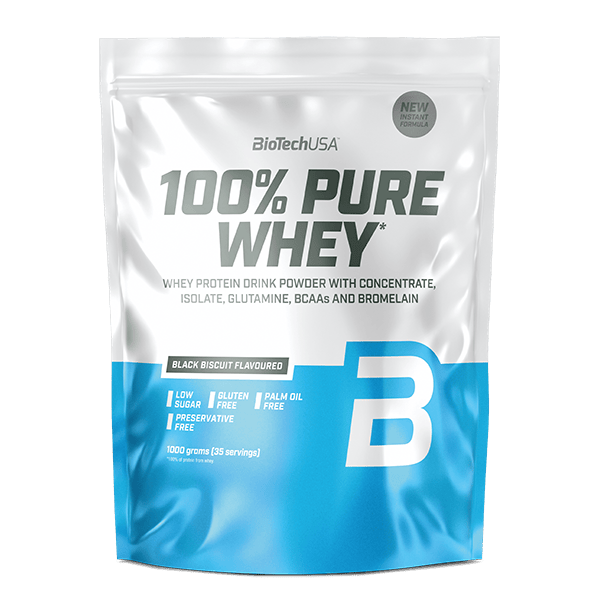
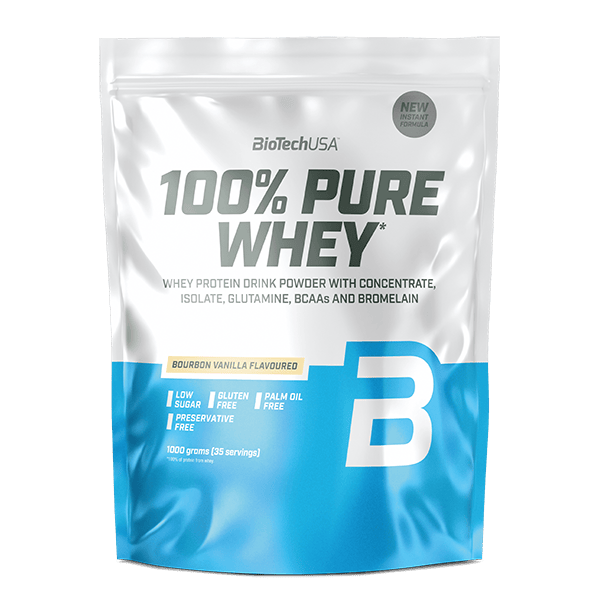
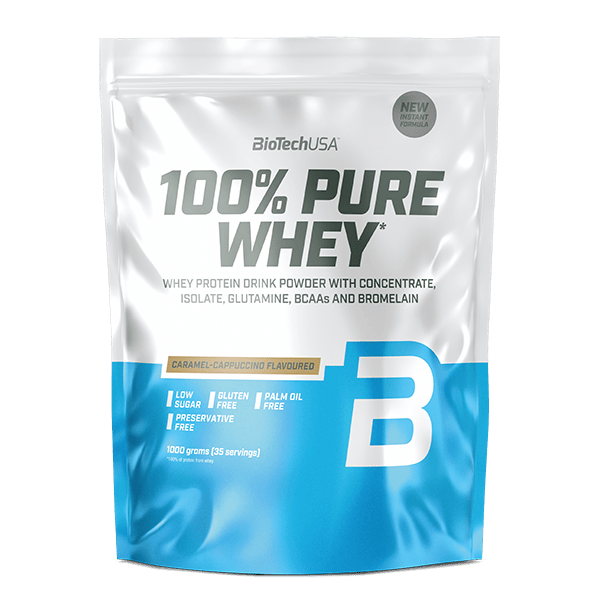
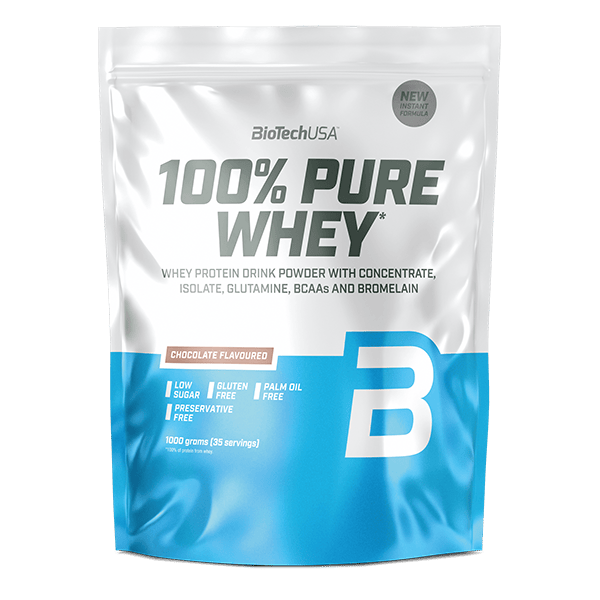
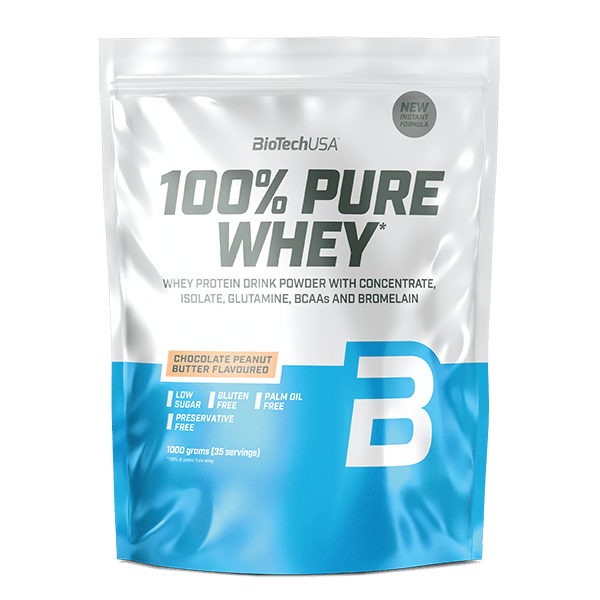
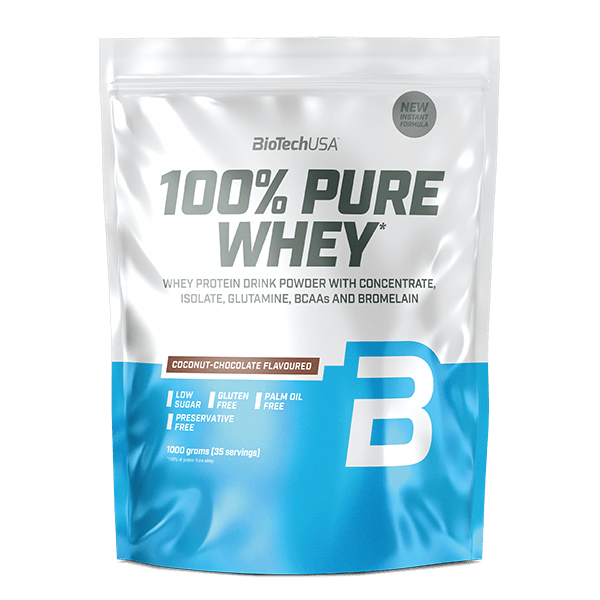
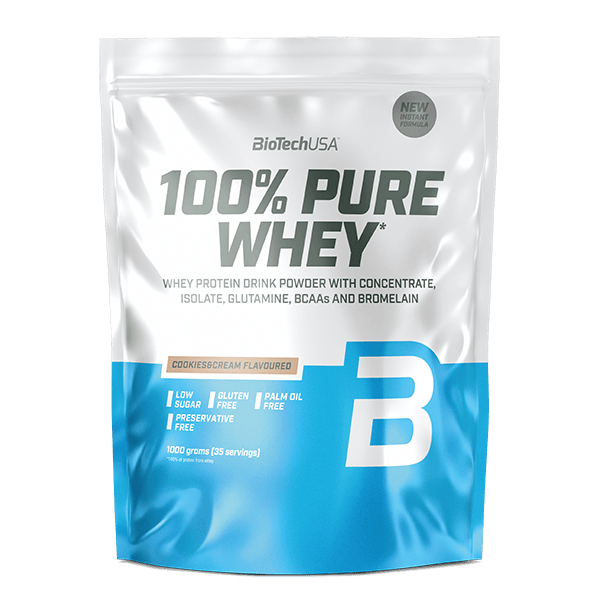
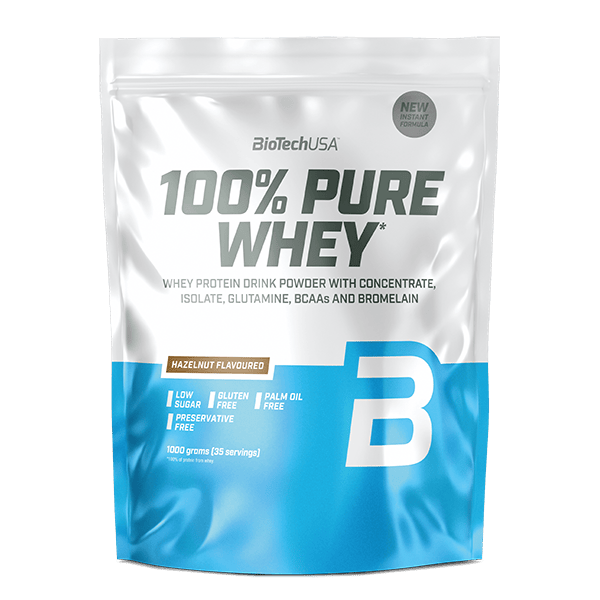
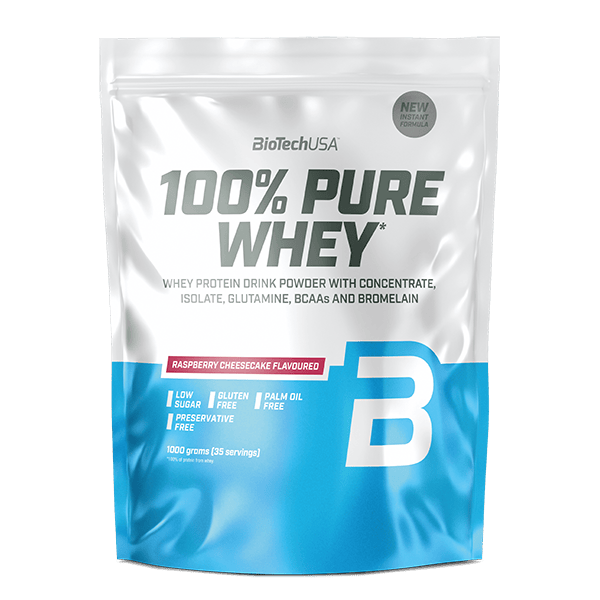
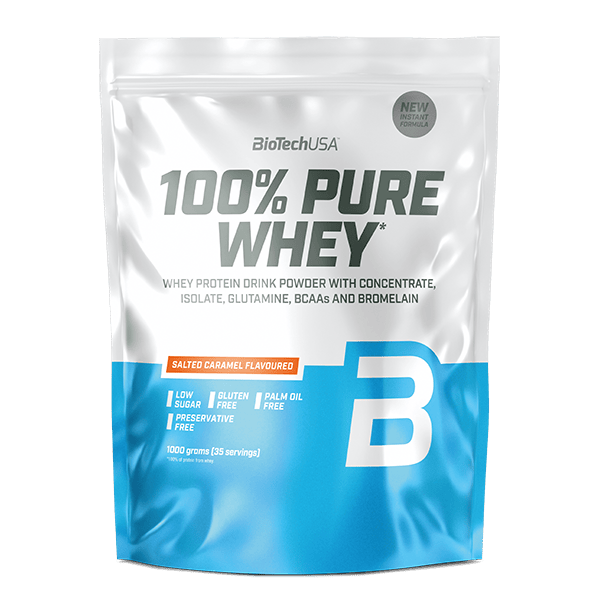
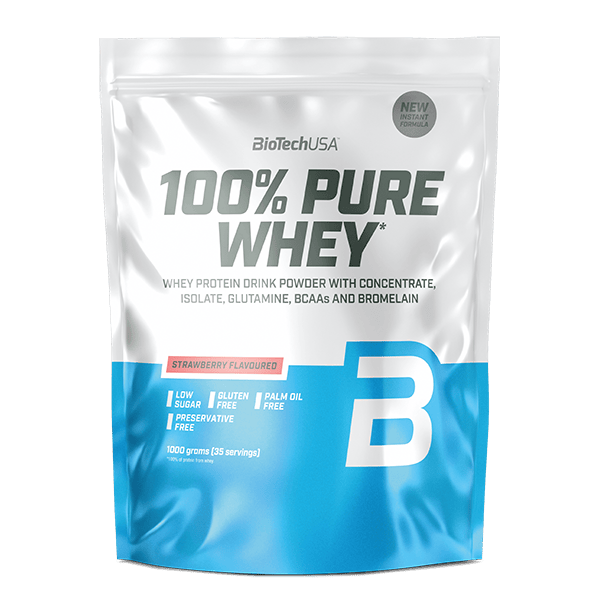
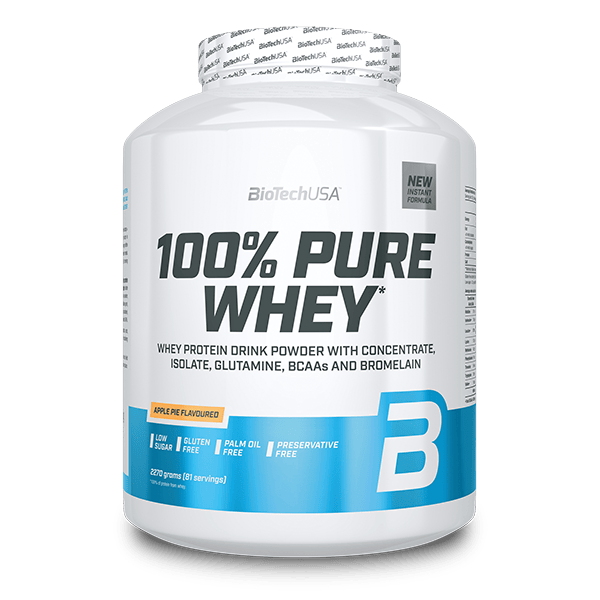
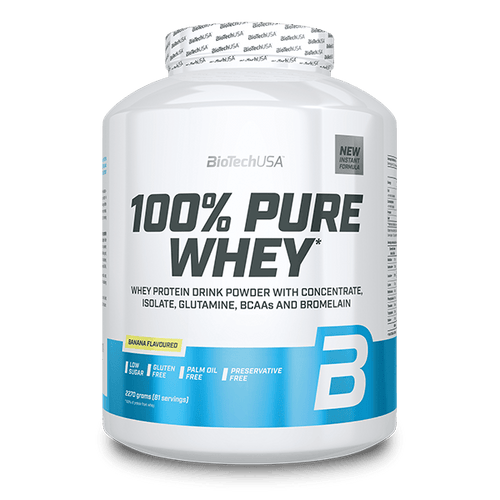
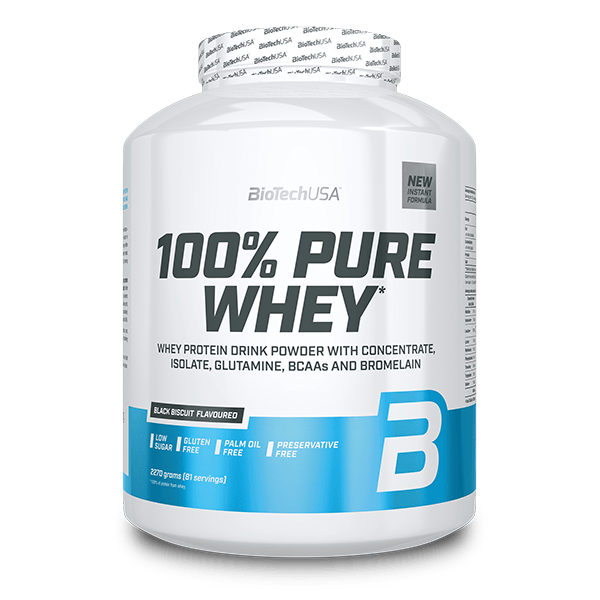
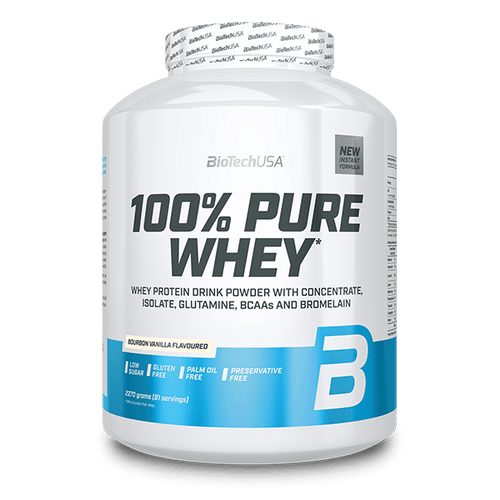
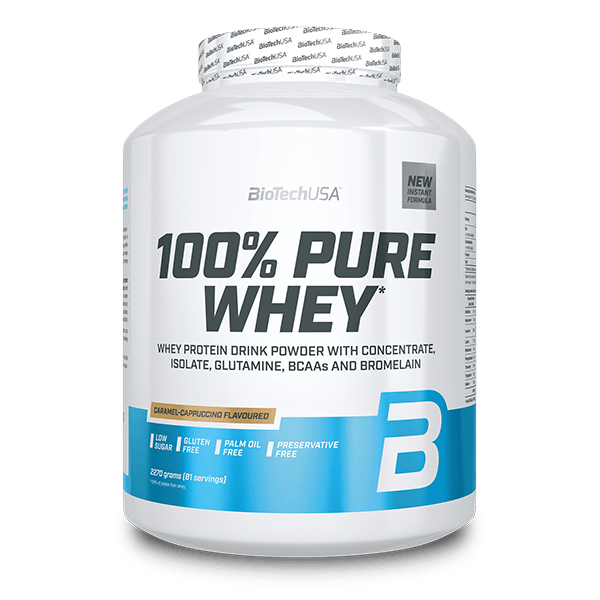
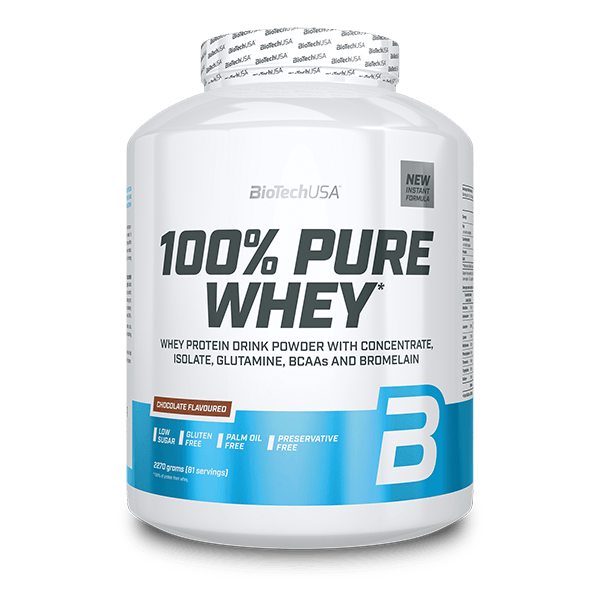
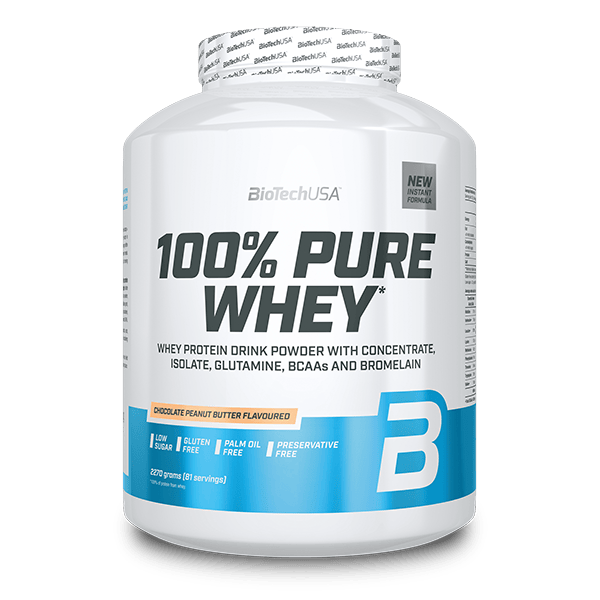
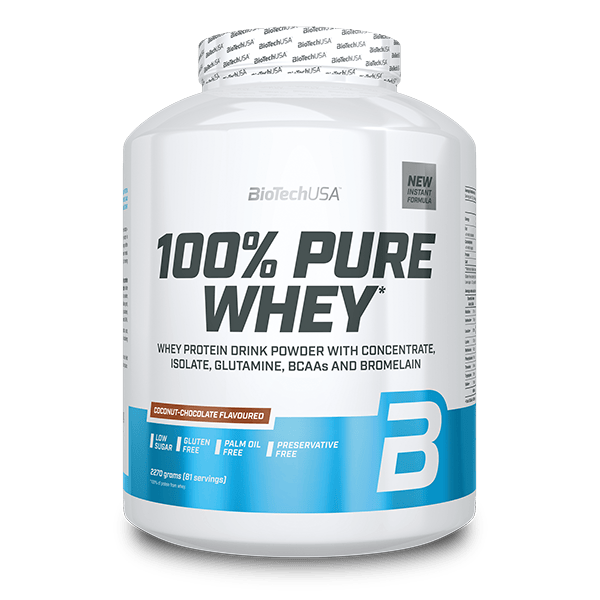
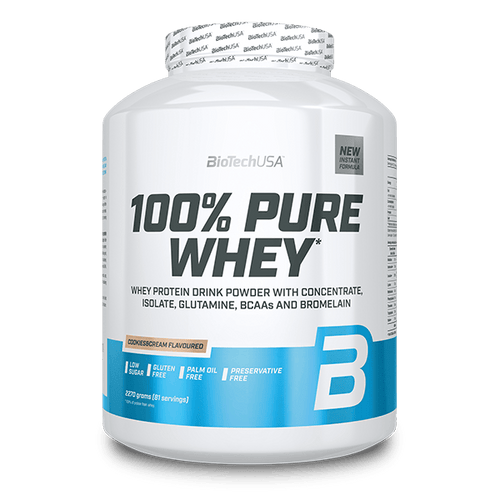
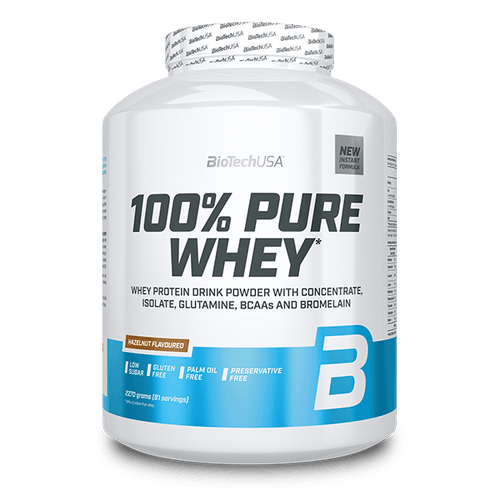
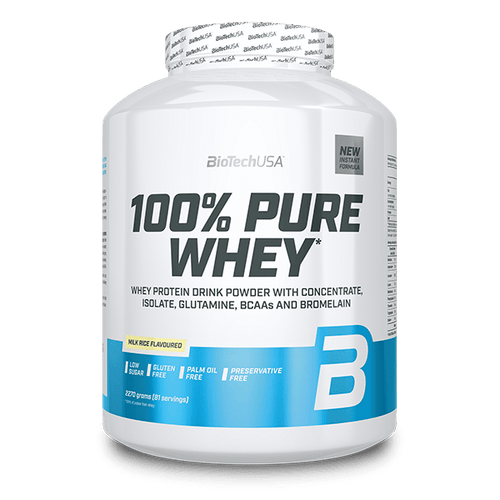
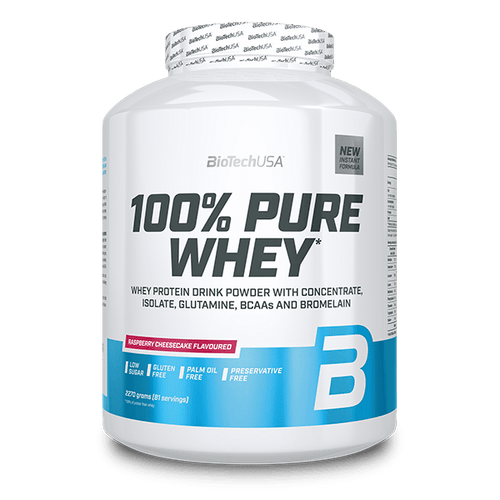
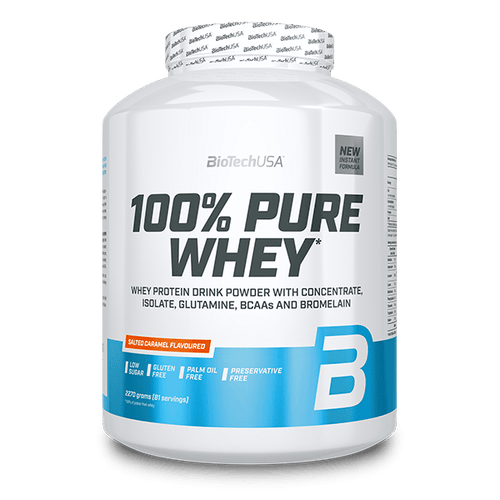
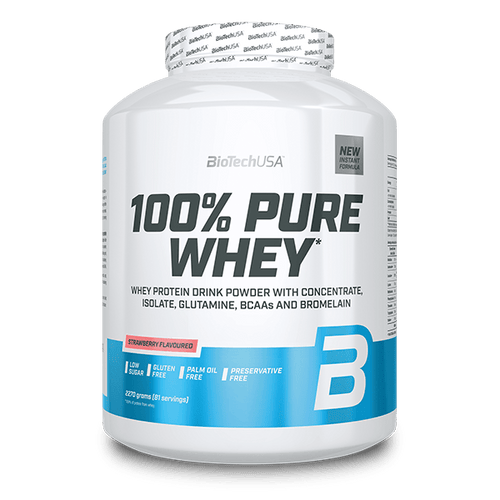
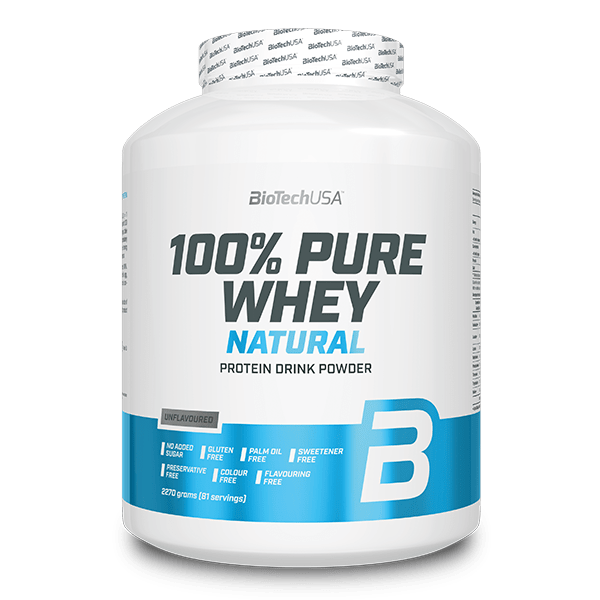
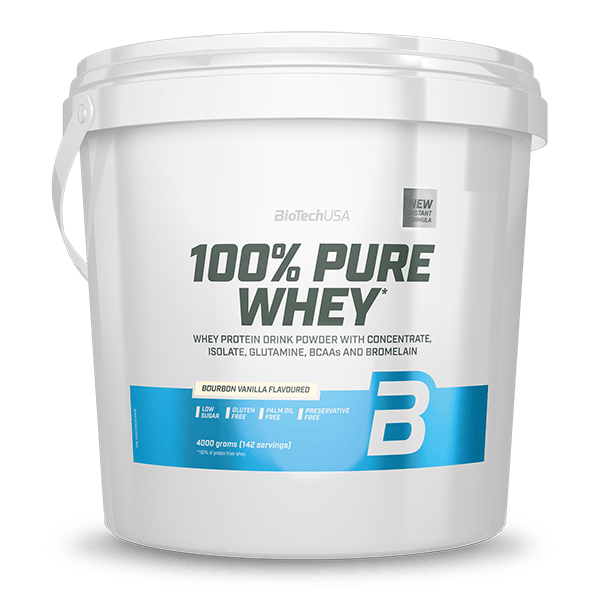
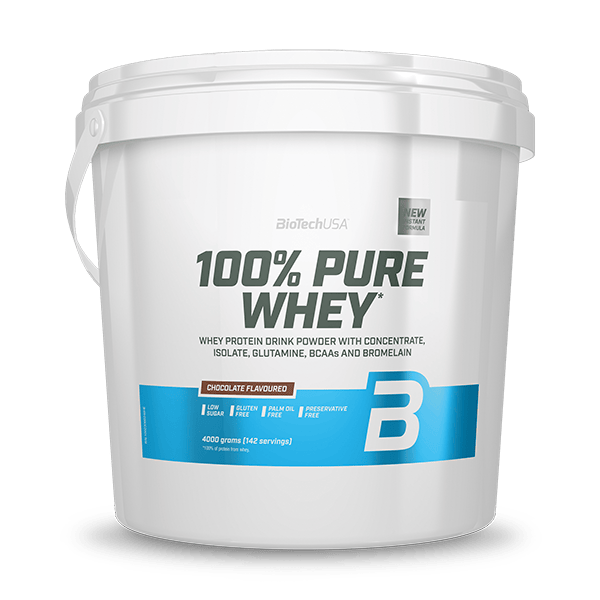
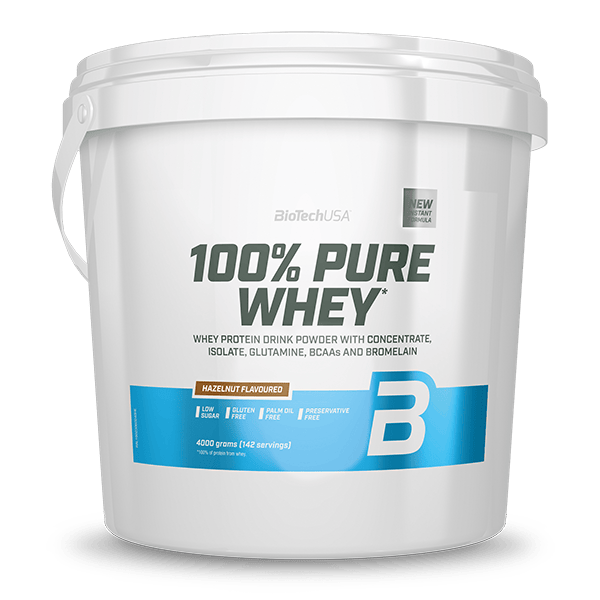
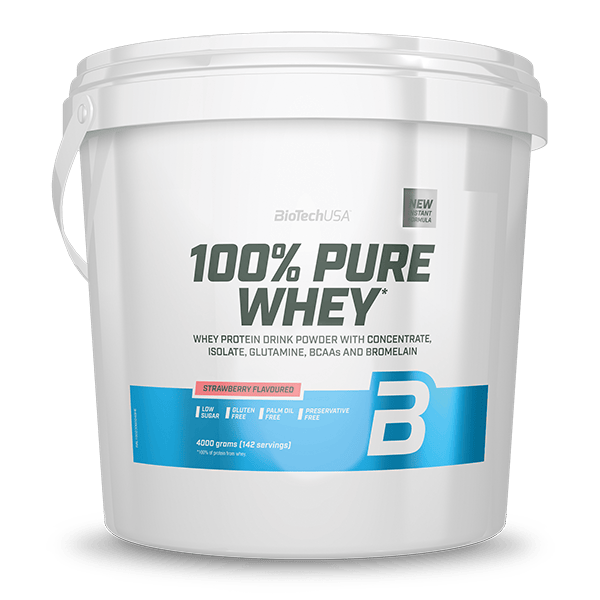
Protein contributes to the maintenance and growth of muscle mass. Popular protein sources include whey, casein, soy, and plant-based options such as pea protein.
- Whey protein: Quickly digested and commonly used after exercise.
- Casein protein: Slower digestion rate, often used between meals or in the evening.
When choosing a protein supplement, consider dietary preferences, intolerances, and overall protein intake from food.
Creatine
Creatine is one of the most extensively studied sports supplements and is commonly used to support short-duration, high-intensity exercise. It is often chosen by individuals following resistance training programmes.
Micronised creatine monohydrate is widely used due to its solubility and ease of mixing.
Pre-Workout Supplements
Pre-workout products typically contain ingredients such as caffeine, amino acids, and plant extracts. These formulas are designed to be taken before training and may support alertness and perceived energy.
Ingredient amounts can vary significantly between products, so reviewing labels carefully is important, particularly for stimulant content.
Fat Loss Support Supplements
Some supplements are marketed toward individuals focusing on body composition goals. These products often contain ingredients associated with metabolism or energy use.
Such supplements should be considered as part of an overall diet and exercise routine rather than a standalone solution.
Prioritising Product Quality
Not all supplements are manufactured to the same standards. Choosing reputable brands that provide clear labelling and quality assurance can help reduce risk.
Third-party testing certifications and transparent ingredient lists can indicate higher manufacturing standards.
Understanding Ingredient Transparency
Checking ingredient labels allows you to see what a product contains and in what quantities. Products that clearly list ingredient amounts allow for more informed decision-making.
Being aware of ingredient sourcing and formulation helps avoid unnecessary additives or unsuitable ingredients.
Seeking Professional Advice
While general information can be helpful, personalised advice from a healthcare professional or registered nutrition specialist is recommended, particularly for individuals with existing health considerations.
Professional guidance can help ensure supplements fit appropriately within a broader nutrition and training plan.
Listening to Your Body
Responses to supplements can vary between individuals. Monitoring how your body reacts to new products can help identify what works best for you.
If any unwanted effects occur, discontinuing use and seeking professional advice is recommended.
Managing Supplement Costs
Supplement prices vary widely. Higher cost does not always indicate better suitability. Comparing products based on ingredient quality, dosage, and personal needs can help guide cost-effective choices.
Maintaining a Balanced Diet
Supplements are intended to complement a balanced diet, not replace whole foods. Prioritising nutrient-rich foods remains essential for long-term health and performance.
Supplements may be useful to support dietary intake during periods of increased physical demand or dietary restriction.
Final Thoughts
Choosing fitness supplements is a personal process that benefits from clear goals, careful research, and realistic expectations. Understanding product categories, prioritising quality, and seeking appropriate guidance can help support informed and responsible use.
A balanced diet, consistent training, and healthy lifestyle habits remain the foundation of any fitness journey.

