



This article is for informational and educational purposes only and does not constitute medical, nutritional, or fitness advice. Individual responses to supplements and ingredients can vary. Always read product labels and follow manufacturer directions. If you are pregnant, breastfeeding, under 18, have a medical condition, or take any medication, consult a qualified healthcare professional before using supplements. If you experience unwanted effects, stop use and seek professional advice.
Clear Whey vs Classic Whey: Understanding the Differences
Protein supplements are commonly used by individuals who train regularly or follow structured fitness routines. With a wide range of options available, understanding the differences between protein types can help support informed choices. This article explains the key characteristics of clear whey protein and classic whey protein, including how they are typically used and what distinguishes them.
What Is Classic Whey Protein?
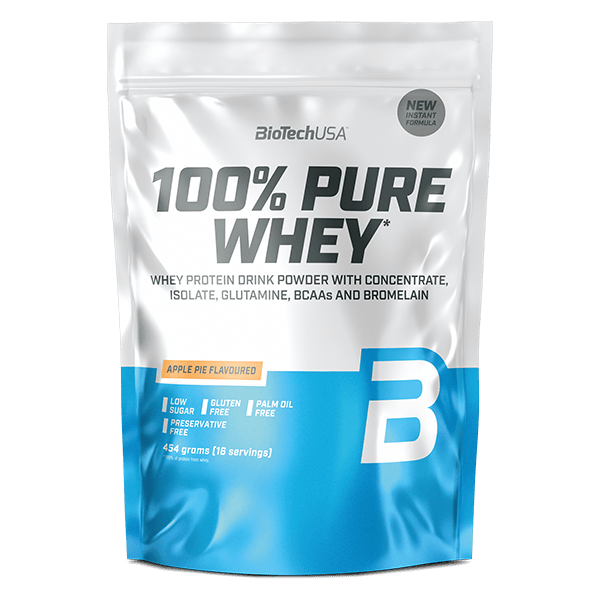
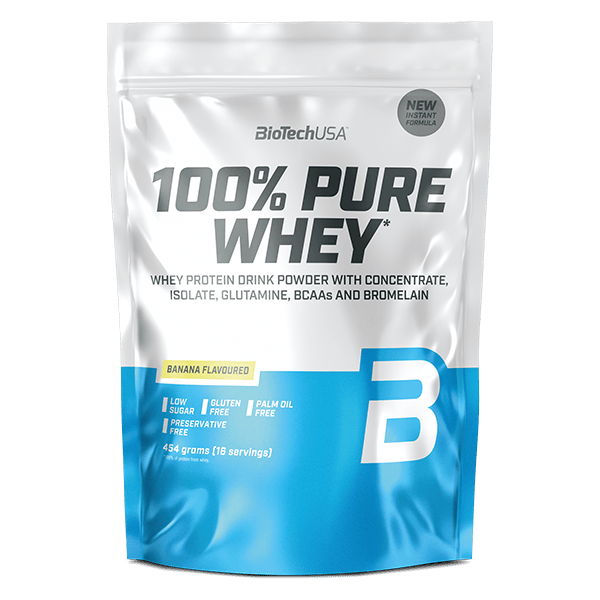
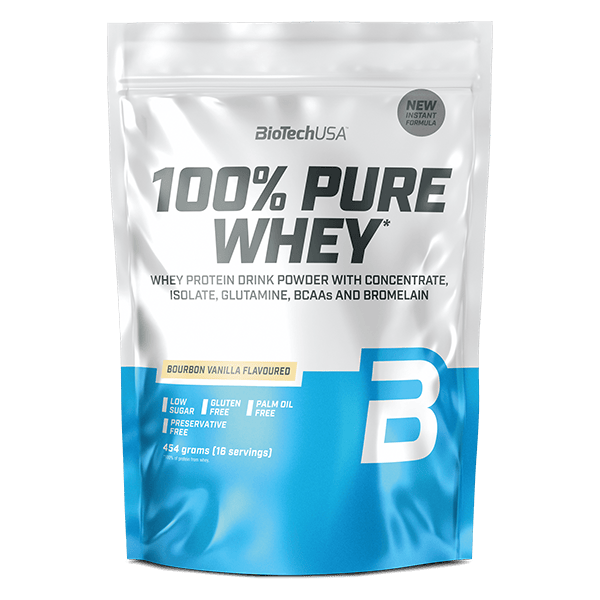
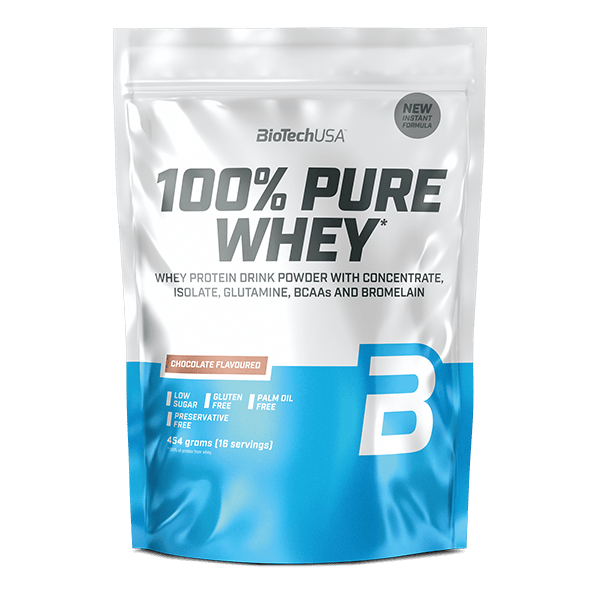
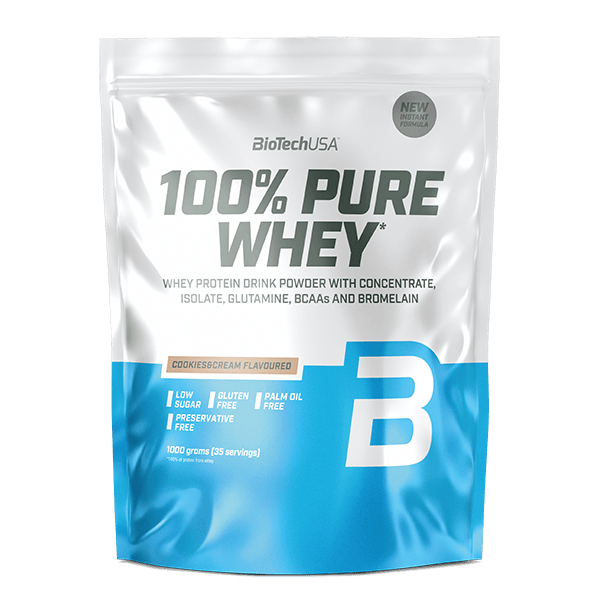
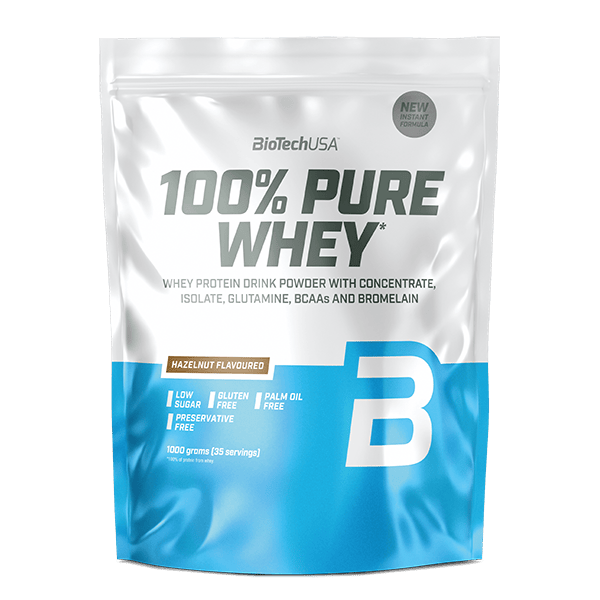
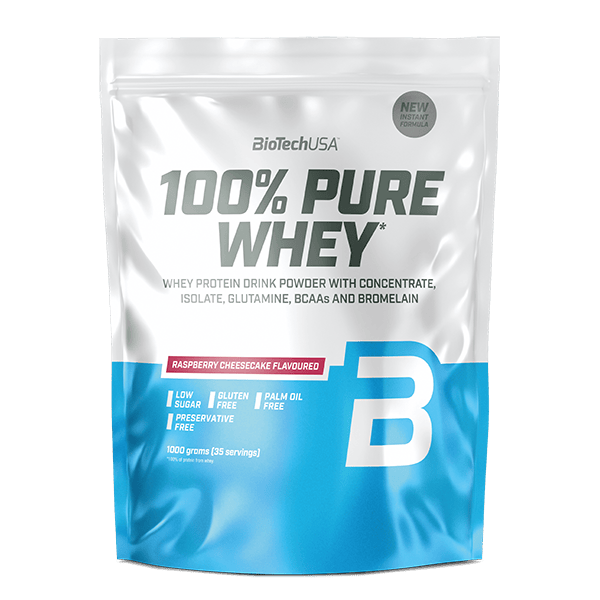
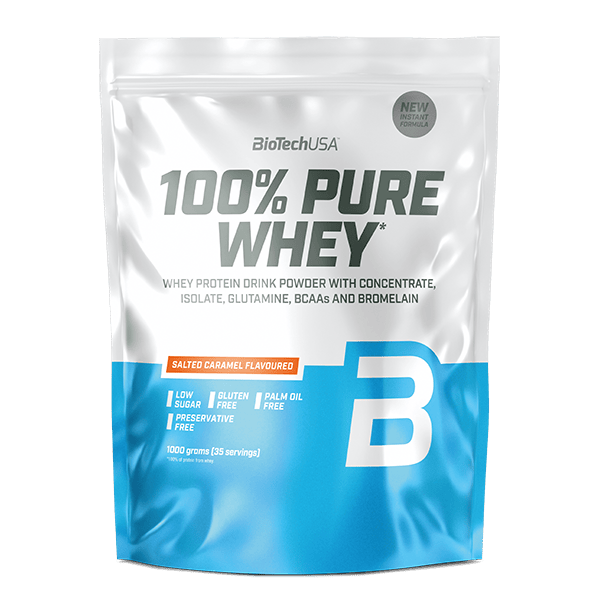
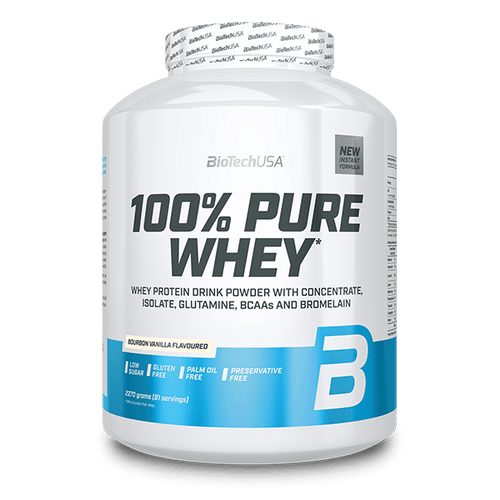
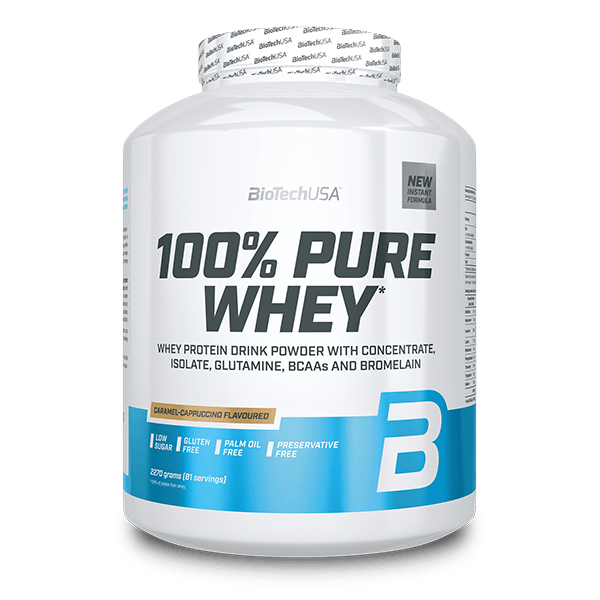
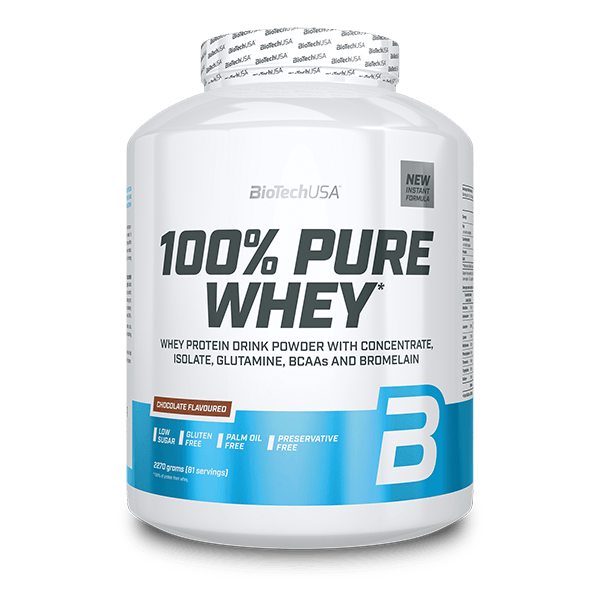
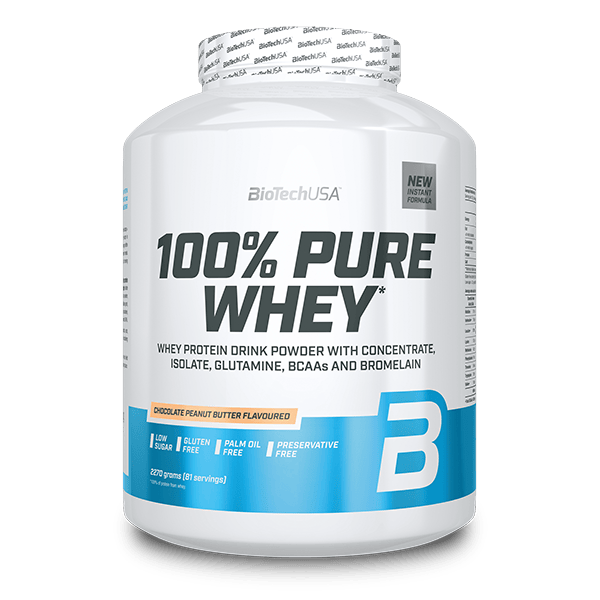
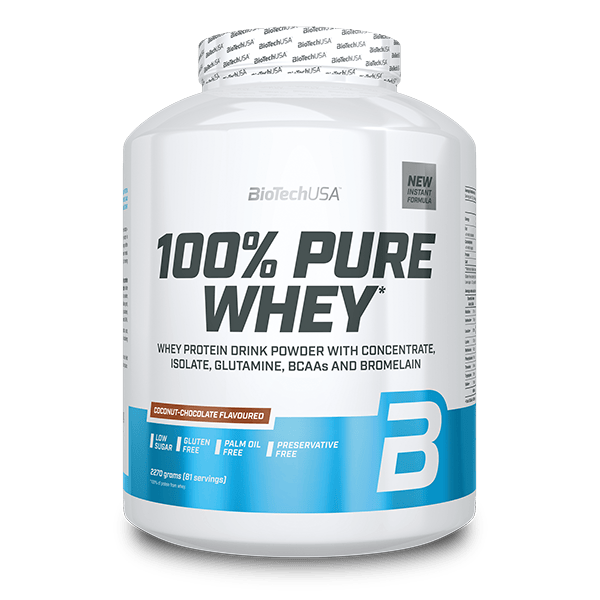
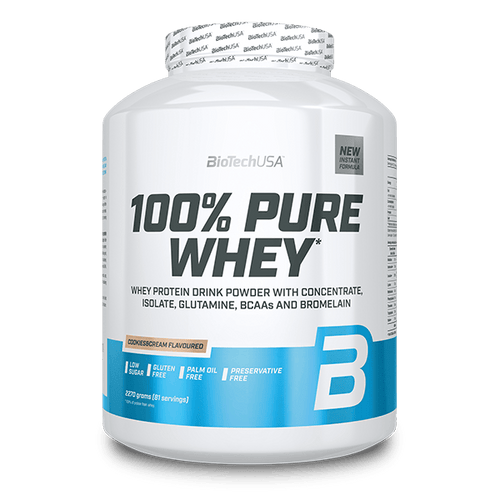
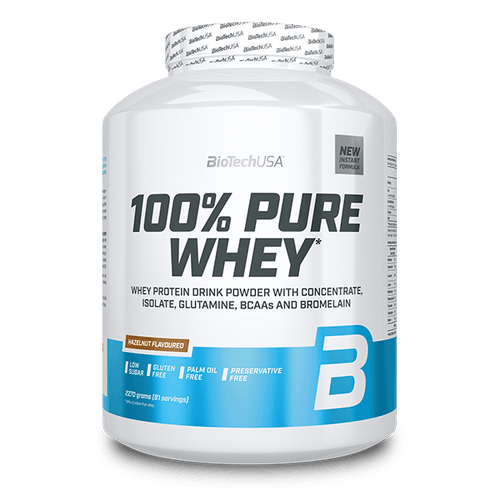
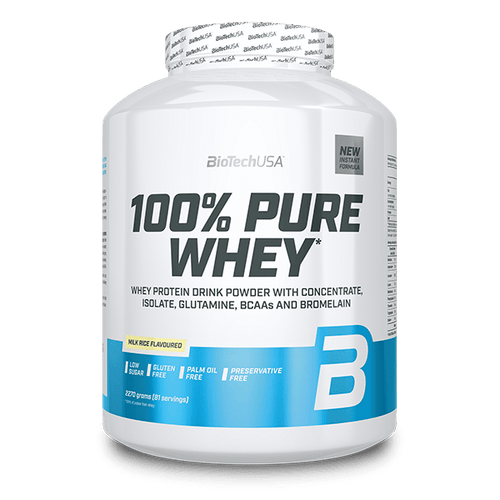
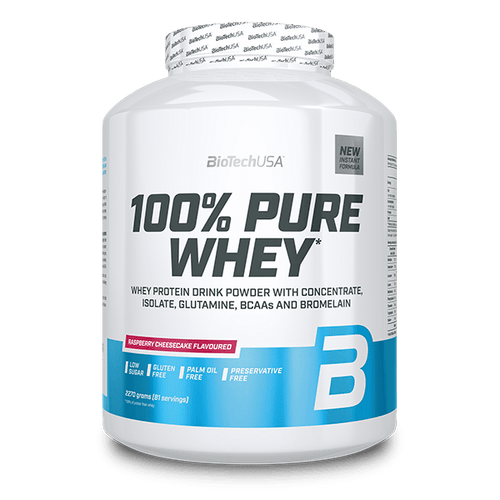
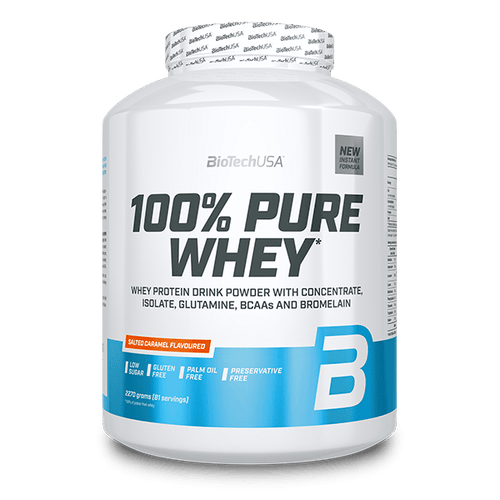
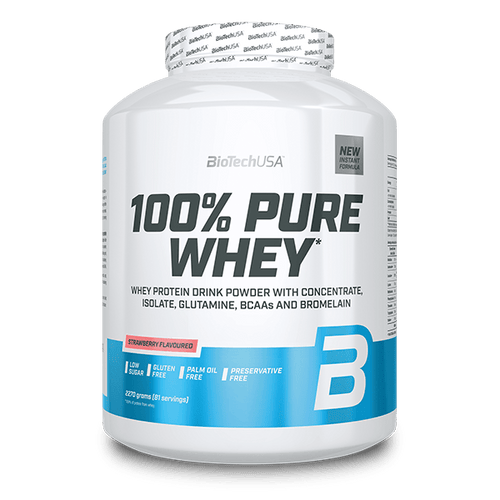
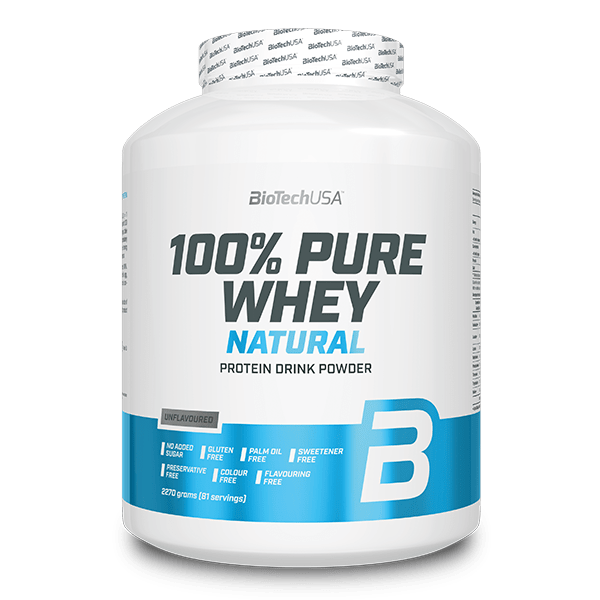
Classic whey protein is derived from milk during the cheese-making process. It is widely used due to its complete amino acid profile and convenience as a dietary protein source.
Classic whey protein is commonly available in three formats:
- Whey protein concentrate: Contains a moderate protein percentage alongside naturally occurring fats and carbohydrates.
- Whey protein isolate: More highly filtered, resulting in a higher protein concentration and lower levels of fat and carbohydrates.
- Whey protein hydrolysate: Partially broken down for easier digestion and faster absorption.
A typical serving of classic whey protein provides approximately 20–25 grams of protein, depending on the product and formulation.
What Is Clear Whey Protein?
Clear whey protein is a more recent variation of whey protein that undergoes additional filtration. This process removes most fats, carbohydrates, and lactose, resulting in a clear, juice-like beverage when mixed with water.
Clear whey protein is usually fruit-flavoured and lighter in texture than traditional protein shakes. Protein content per serving is similar to classic whey, while overall calorie content is often lower.
Key Differences Between Clear Whey and Classic Whey
Texture and Taste
Classic whey protein has a creamy consistency and is often mixed into shakes or smoothies. Clear whey protein produces a transparent, lighter drink that many people find refreshing, particularly during warmer months.
Nutritional Profile
Both options provide comparable protein amounts, but their additional nutritional characteristics differ. Classic whey may retain small amounts of naturally occurring fats and minerals, while clear whey is formulated to minimise calories and lactose content.
Digestion and Tolerance
Both protein types are considered fast-digesting. Due to its lower lactose content, clear whey protein may be preferred by individuals who are sensitive to traditional dairy-based products.
Usage Flexibility
Classic whey protein is often incorporated into smoothies, oats, or recipes, while clear whey protein is typically consumed as a standalone drink mixed with water.
When Might Each Option Be Used?
Classic Whey Protein
- As part of post-training meals
- When preparing higher-calorie shakes or smoothies
- As an additional protein source within meals
Clear Whey Protein
- As a lighter alternative to traditional protein shakes
- During periods of reduced calorie intake
- When a refreshing, water-based protein drink is preferred
Final Thoughts
Clear whey and classic whey protein are both practical ways to increase daily protein intake. The most suitable option depends on individual preferences, dietary considerations, and how the protein is intended to be used.
Understanding ingredient composition, texture, and usage can help ensure protein supplements are chosen in a way that fits comfortably into an overall nutrition and training routine.

