











This article is for informational and educational purposes only and does not constitute medical, nutritional, or fitness advice. Individual responses to supplements and ingredients can vary. Always read product labels and follow manufacturer directions. If you are pregnant, breastfeeding, under 18, have a medical condition, or take any medication, consult a qualified healthcare professional before using supplements. If you experience unwanted effects, stop use and seek professional advice.
Whey vs Casein Protein: Understanding the Differences
Protein plays an important role in many nutrition plans, particularly for individuals who train regularly or follow structured fitness routines. Among dairy-based protein supplements, whey and casein are two of the most commonly used options. While both originate from milk, they differ in digestion speed, texture, and how they are typically used.
What Is Whey Protein?
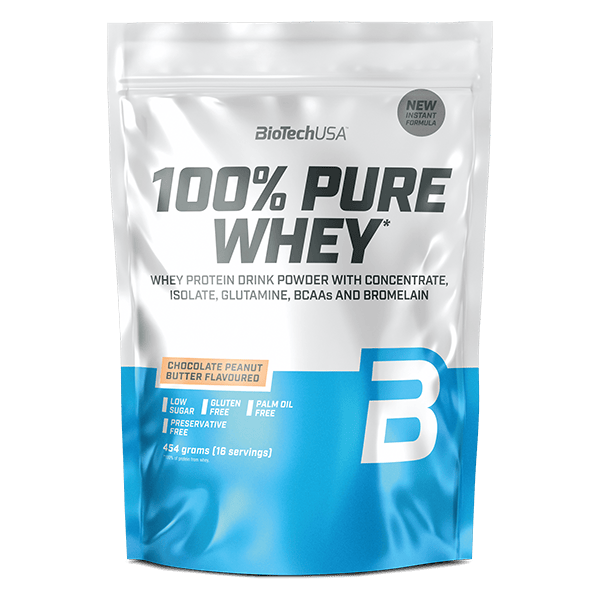
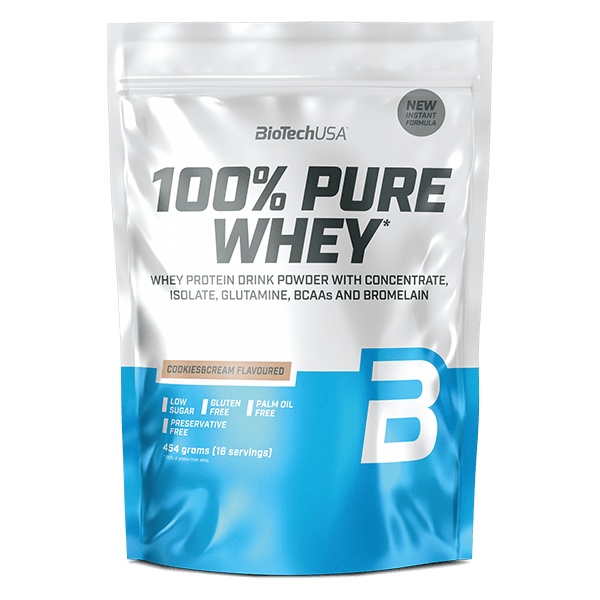
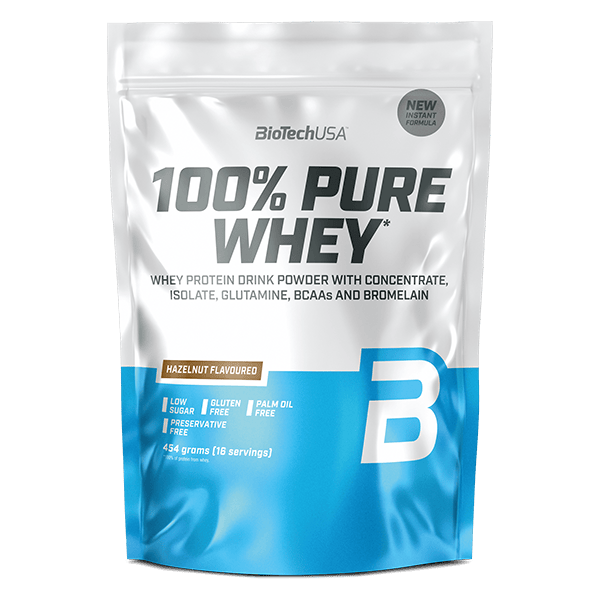
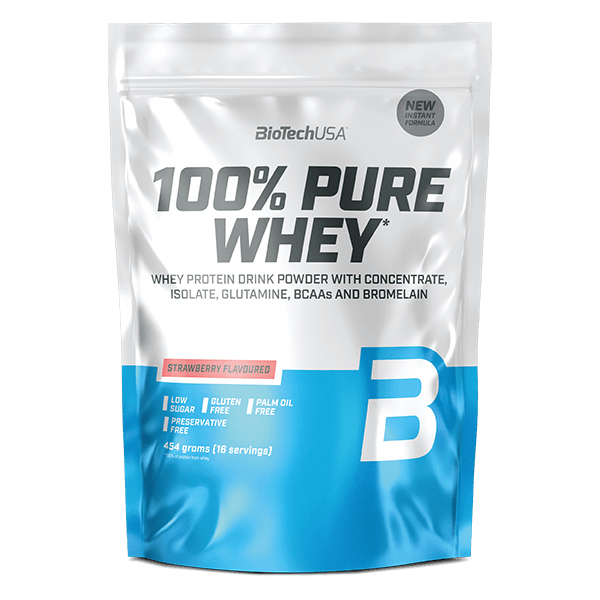
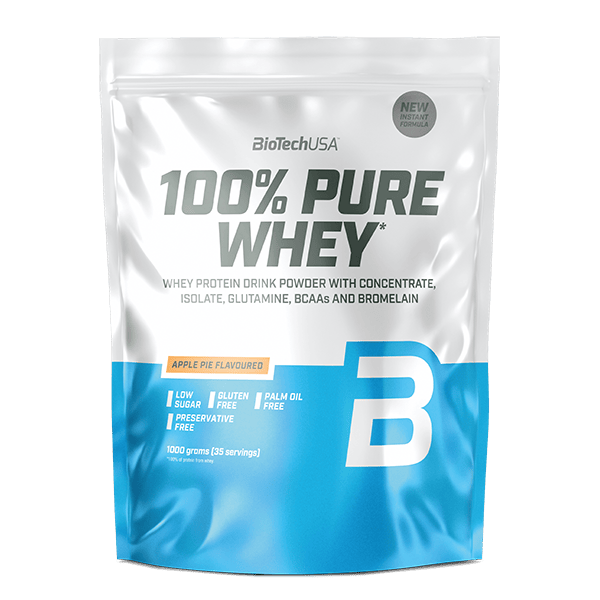
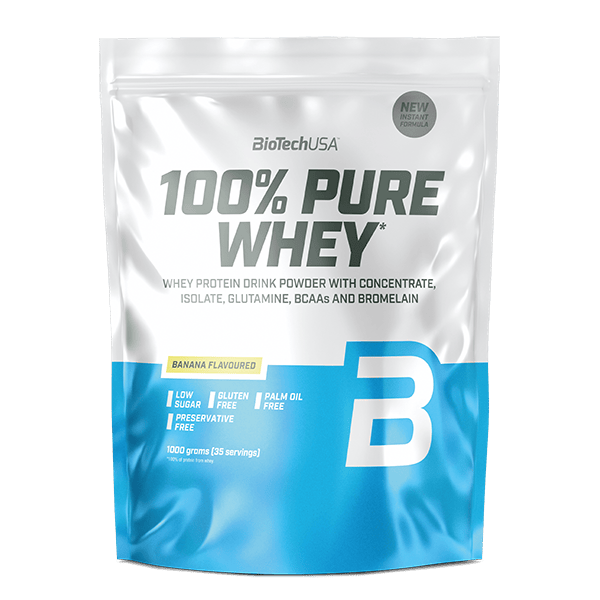
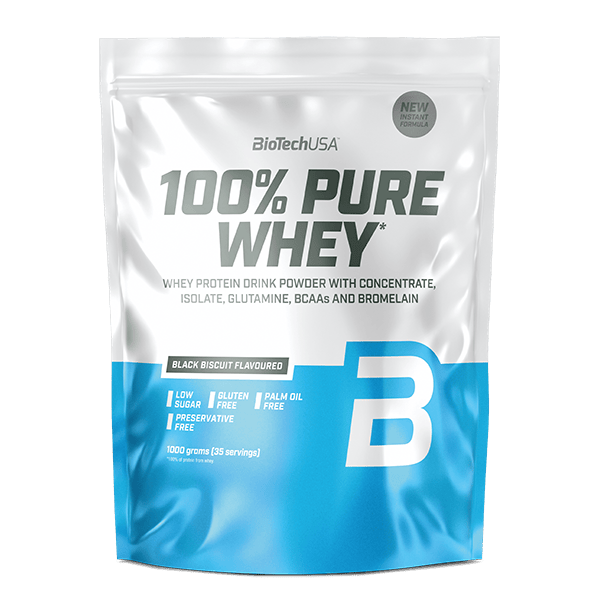
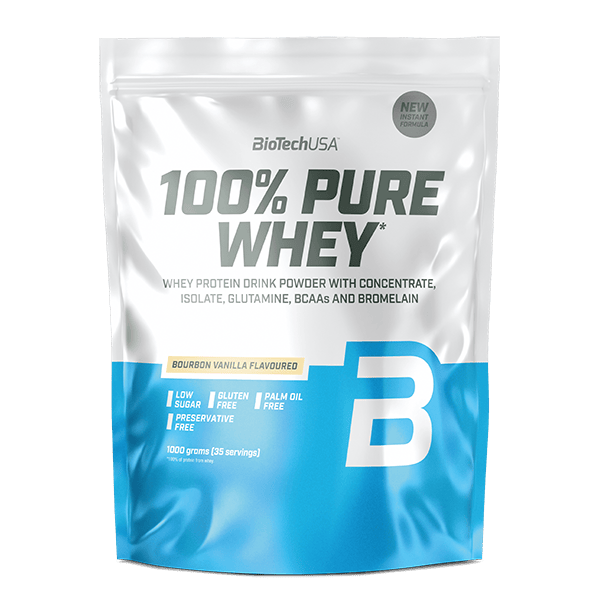
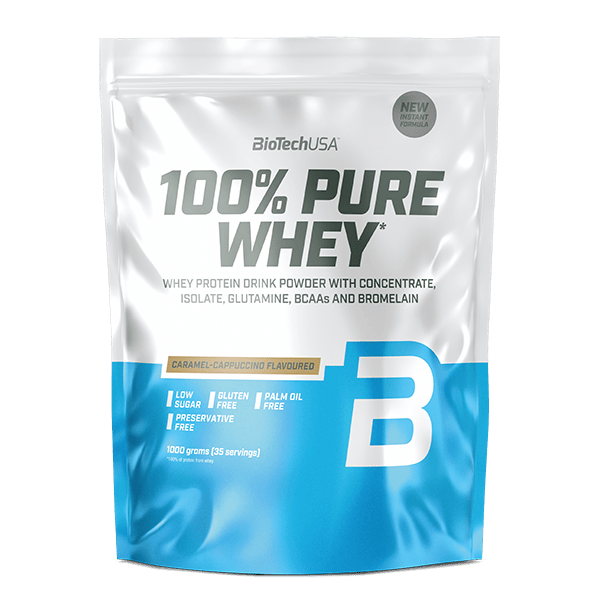
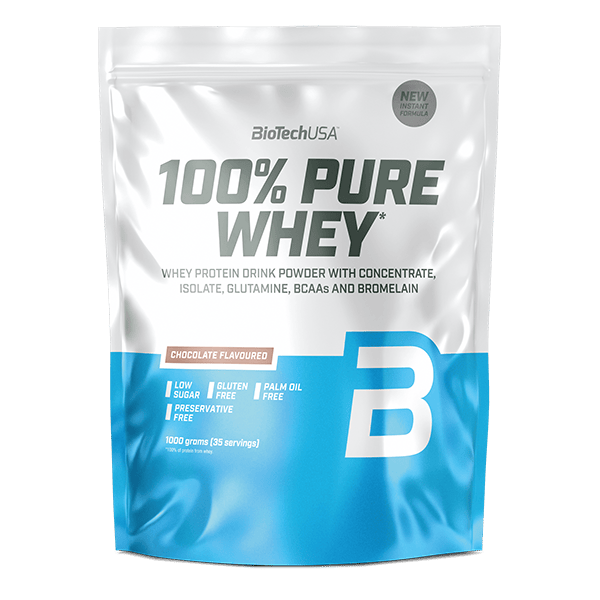
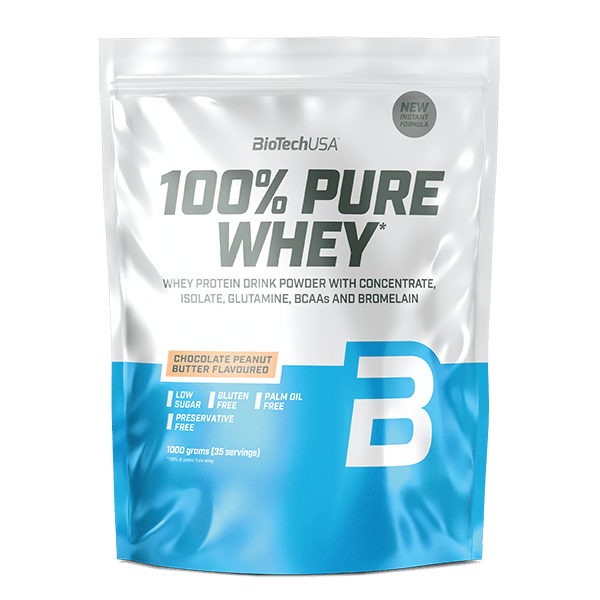
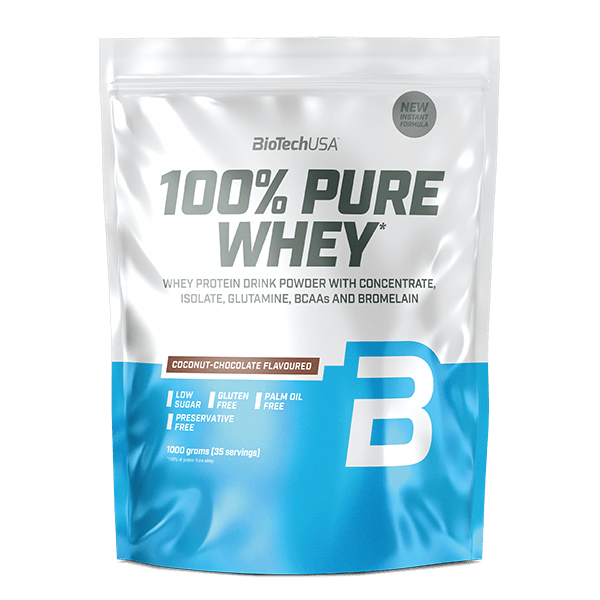
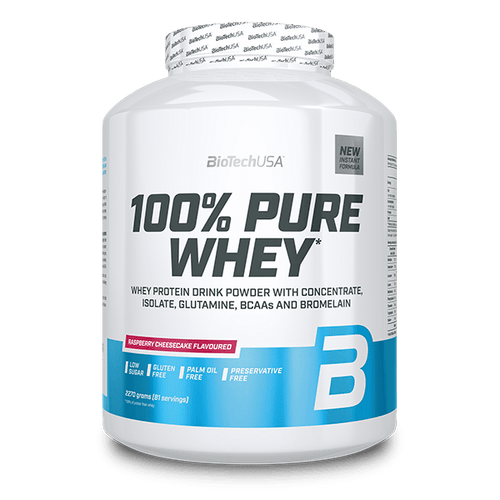
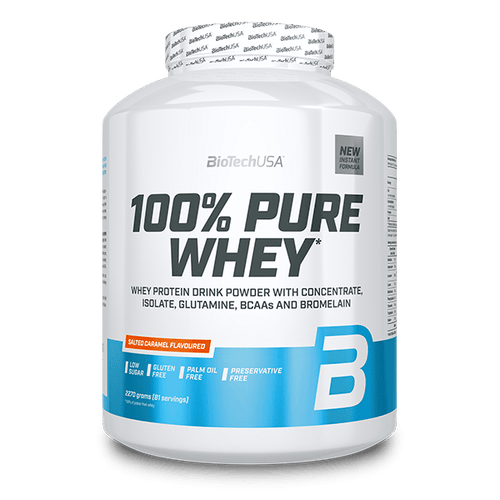
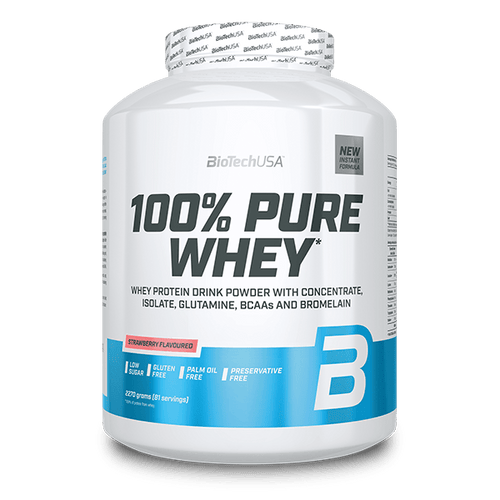
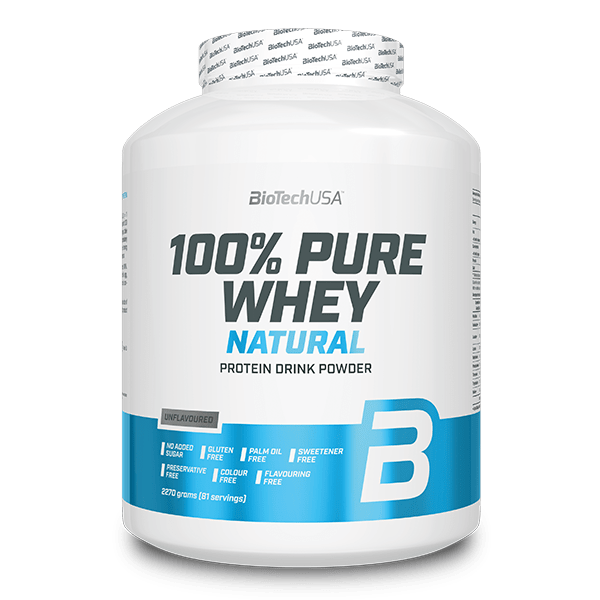
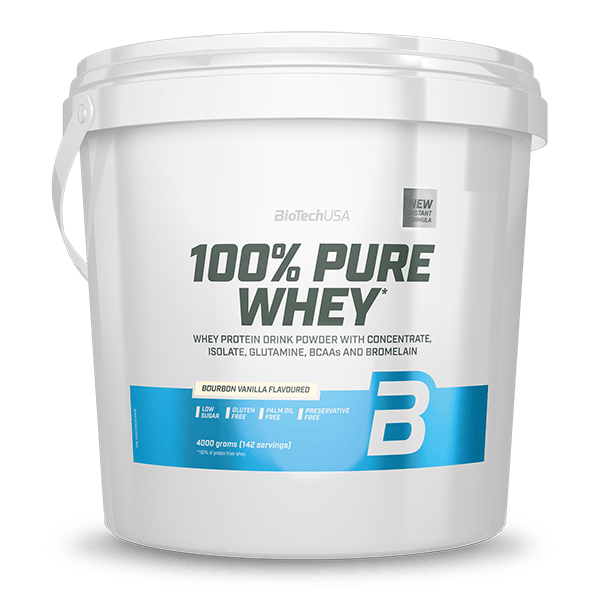
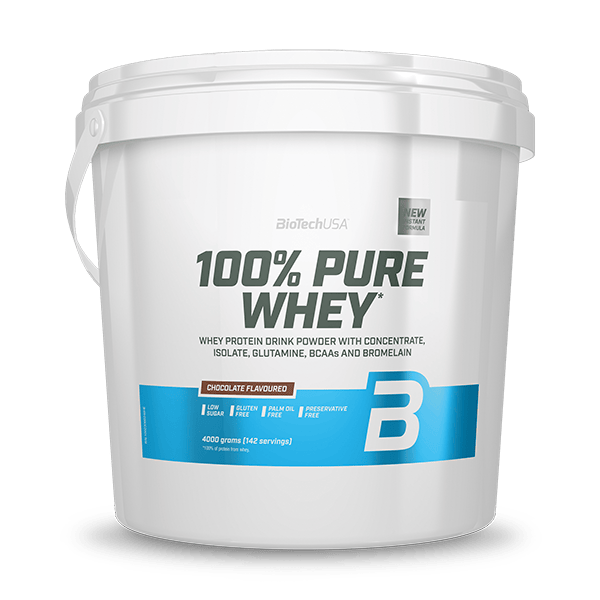
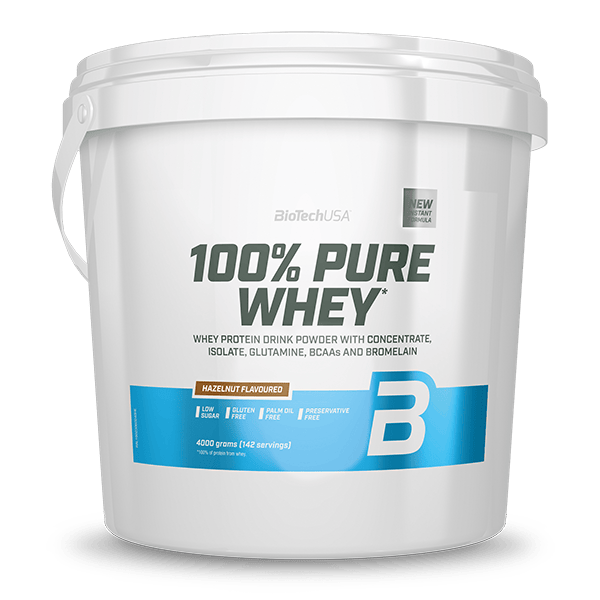
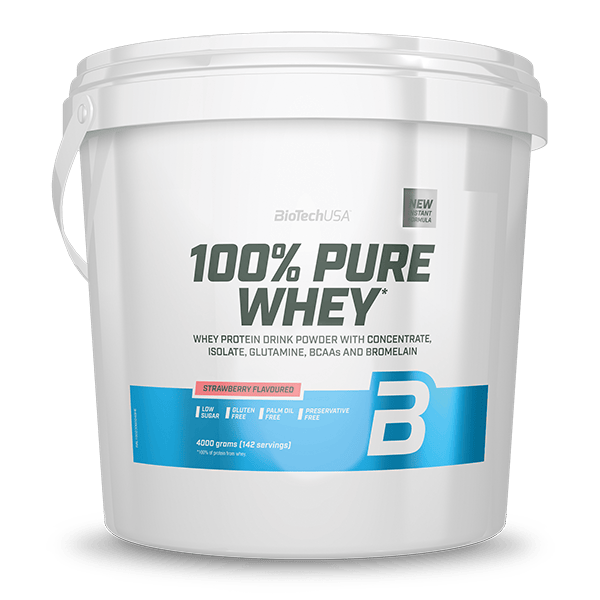
Whey protein is separated from milk during the cheese-making process. It is known for being relatively quick to digest and is commonly consumed around training sessions as a convenient source of dietary protein.
Whey protein is available in several forms:
- Whey protein concentrate: Contains protein alongside small amounts of naturally occurring fats and carbohydrates.
- Whey protein isolate: More highly filtered, resulting in a higher protein concentration and lower lactose content.
- Whey protein hydrolysate: Partially broken down to aid digestion.
Whey protein provides a complete amino acid profile and is commonly included in shakes, smoothies, or mixed with food as part of daily protein intake.
What Is Casein Protein?
Casein protein is the slower-digesting portion of milk protein. When consumed, it forms a thicker consistency in the stomach, leading to a more gradual release of amino acids over time.
Because of its digestion rate, casein protein is often chosen for use between meals or later in the day. Some people prefer it when they want a protein source that digests more slowly.
Key Differences Between Whey and Casein
Digestion Rate
Whey protein is generally considered faster digesting, while casein digests more slowly. This difference influences how people choose to use each protein throughout the day.
Nutritional Characteristics
Both whey and casein provide similar amounts of protein per serving, depending on the product. Whey tends to mix into lighter shakes, while casein has a thicker texture when prepared.
Texture and Use
Whey protein mixes easily into smoothies, drinks, and recipes. Casein protein is often thicker and may be used in shakes or recipes where a slower digestion profile is preferred.
When People Commonly Use Whey Protein
- After training sessions
- As a convenient protein source between meals
- In smoothies, oats, or baking recipes
When People Commonly Use Casein Protein
- Between meals
- Later in the day
- When a slower-digesting protein is preferred
Choosing the Right Option
The choice between whey and casein protein often depends on personal preferences, dietary needs, and how the protein will be used within a routine. Some individuals choose to use both types at different times of the day.
Those with lactose sensitivity may prefer more highly filtered options, such as whey isolate. Individuals with dairy allergies should avoid both whey and casein and consider non-dairy alternatives.
Final Thoughts
Whey and casein protein are both widely used dairy-based protein supplements. Understanding their digestion rates, textures, and typical use cases can help you decide which option best fits your routine.
As with any dietary choice, consistency, overall nutrition, and individual tolerance are key considerations when including protein supplements in your diet.

