

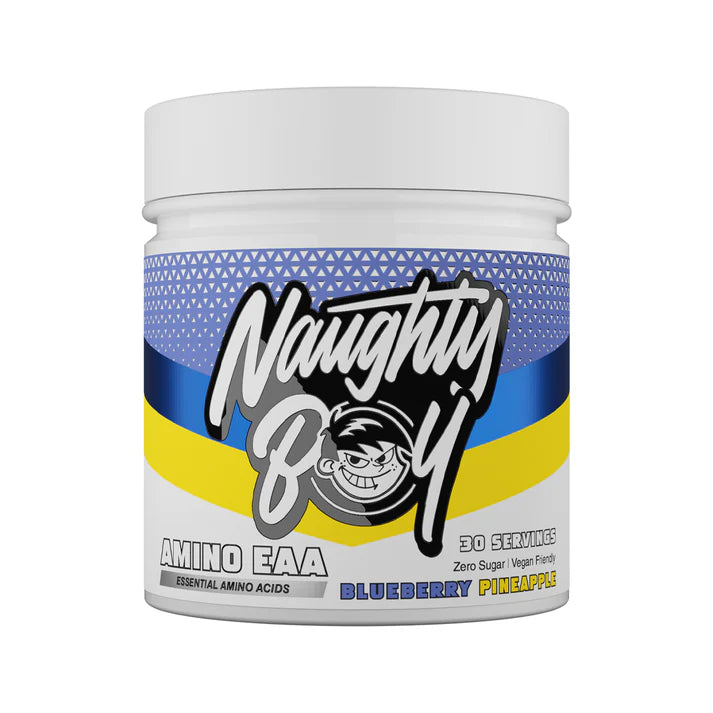
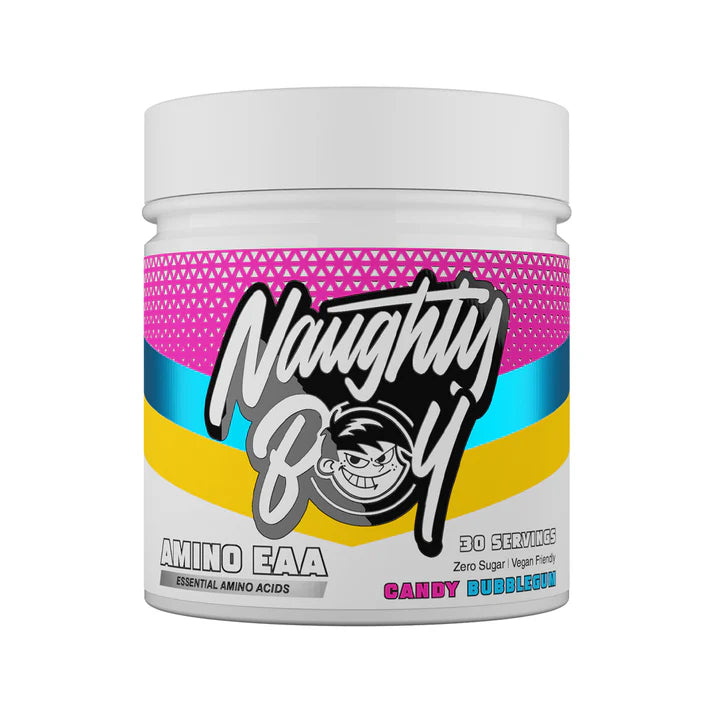
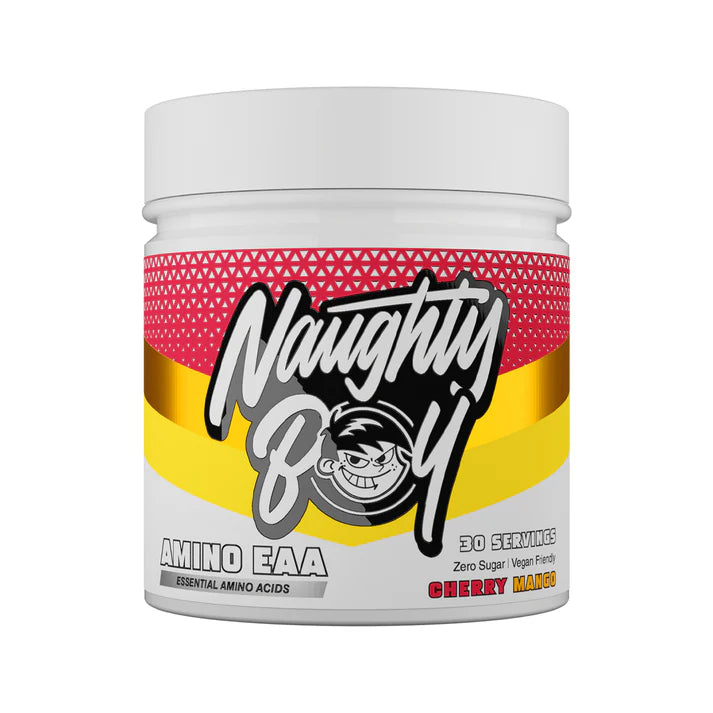
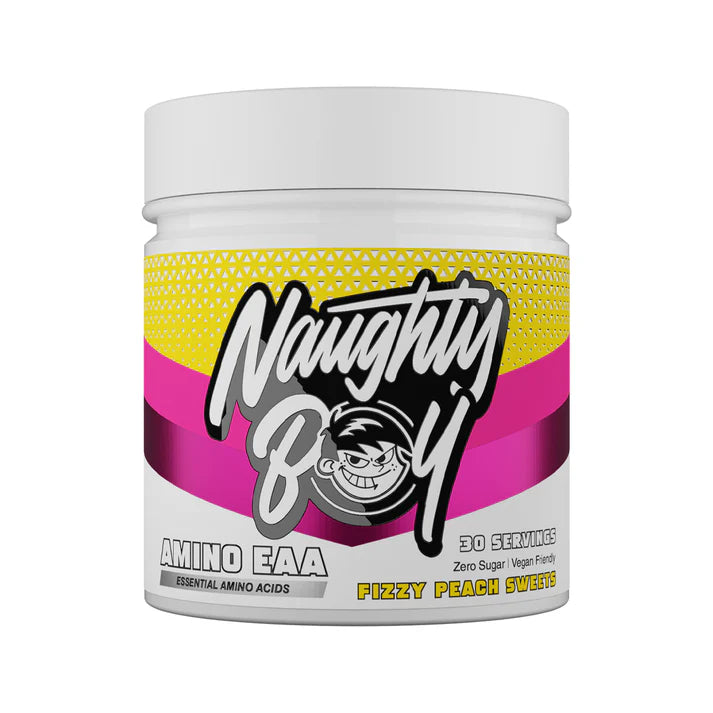


Walk into any gym or browse any supplement store and you’ll almost certainly see tubs of brightly coloured powders labelled BCAAs. They’re often included in training routines to help support workout nutrition — but what are they, and are they actually necessary?
In this guide, we’ll explain what BCAAs are, how they fit into an active lifestyle, who may benefit most, and when you may not need them if your diet already covers the basics.
What Are BCAAs?
BCAAs, short for Branched-Chain Amino Acids, are a group of three essential amino acids: leucine, isoleucine, and valine. They’re called “branched-chain” due to their structure. They’re also “essential,” which means your body can’t make them — you need to get them from food or supplementation.
Amino acids are the building blocks of protein, and protein supports many normal functions in the body, including helping to maintain muscle mass when paired with regular training and adequate nutrition.
How Do BCAAs Work in the Body?
BCAAs are commonly used around workouts because they are primarily metabolised in muscle tissue rather than the liver. This is one reason they’re popular as a light drink option before, during, or after training.
Leucine
Leucine is often highlighted because it’s involved in signalling pathways associated with muscle protein synthesis — the natural process of building and repairing muscle tissue.
Isoleucine
Isoleucine is linked with energy metabolism and is commonly included in workout nutrition, especially for people who train regularly or perform longer sessions.
Valine
Valine supports overall amino acid balance and plays a role in muscle metabolism as part of the wider amino acid profile.
Where Do BCAAs Come From Naturally?
BCAAs are naturally found in many protein-rich foods. If you eat enough protein from a variety of sources, you’re already consuming BCAAs daily.
- Meat and poultry
- Fish
- Eggs
- Dairy products
- Legumes (beans, lentils, chickpeas)
- Soy products (tofu, tempeh)
- Nuts and seeds
Whey protein and animal-based proteins typically contain all three BCAAs in meaningful amounts. Many plant-based proteins also contain BCAAs, though amino acid profiles can vary.
BCAAs vs Complete Protein: What’s the Difference?
A common question is whether BCAAs are “better” than protein powders — or if you need both. The key difference is the amino acid profile.
Complete Proteins
Complete proteins (such as whey, casein, egg, and many blended plant proteins) provide:
- All essential amino acids
- Additional non-essential amino acids
- Naturally occurring BCAAs
This makes complete protein a strong option for supporting total daily protein intake, especially if you’re aiming to hit a specific protein target.
BCAA Supplements
BCAA supplements provide only:
- Leucine
- Isoleucine
- Valine
Because they don’t include the full amino acid profile, BCAAs are generally seen as a targeted add-on rather than a replacement for a balanced diet or complete protein.
When Do People Commonly Use BCAAs?
BCAAs are often used as a flavoured drink around training because they’re easy to mix and typically light on the stomach compared to heavier shakes.
- Before training as part of a pre-workout routine
- During training (especially long sessions) as an intra-workout drink
- After training alongside meals or protein
Many people also like BCAAs as a simple way to add flavour to their water intake, which can make hydration routines easier to stick to.
Do You Really Need BCAAs?
The honest answer: it depends on your overall diet and routine.
If You Already Eat Enough Protein
If you’re consistently hitting your daily protein intake using complete protein sources (food and/or a quality protein powder), you’re likely already getting sufficient BCAAs through your normal diet. In that case, BCAAs may be optional rather than essential.
When BCAAs May Be Useful
BCAAs may be a convenient option in certain situations, such as:
- Training fasted, where you prefer a low-calorie drink option
- Long workouts where you want something light to sip during training
- Busy routines where meal timing is inconsistent
- Calorie-controlled diets where you want minimal extra intake
- People who don’t enjoy protein shakes during training
In these cases, BCAAs can fit neatly into a training day without adding much bulk or heaviness.
BCAAs and General Wellness
Outside the gym, some people use BCAAs as part of a broader wellness routine, particularly if they’re active and want a simple, refreshing drink. While they’re not a replacement for meals or a varied diet, they can be a convenient addition for people who prefer amino acids in drink form.
As with any supplement, BCAAs work best when they complement the fundamentals: consistent training, adequate nutrition, and overall lifestyle habits.
Common Myths About BCAAs
“BCAAs build muscle on their own.”
BCAAs are only part of the amino acid picture. Supporting muscle maintenance and progress depends on training, total daily protein intake, and overall nutrition.
“Everyone needs BCAAs.”
Not everyone needs a separate BCAA product. Many people already get plenty through food and protein supplements.
“More is always better.”
More isn’t automatically better. Supplements are designed to complement your diet, not replace it. Always follow the label directions for any product you use.
How to Choose a BCAA Supplement
If you decide BCAAs make sense for your routine, here are a few practical things to look for:
- Ratio: Many products use a 2:1:1 ratio (leucine:isoleucine:valine)
- Mixability: Easy-dissolving powders are more enjoyable during training
- Flavour: A refreshing taste can help you use it consistently
- Label transparency: Clear serving sizes and ingredient amounts
If you already use a complete protein powder daily, you may find that BCAAs are mainly a convenience product for sipping during workouts.
Final Thoughts: Are BCAAs Worth It?
BCAAs are popular in sports nutrition because they’re convenient and easy to use around workouts. However, they’re not a must-have for everyone. If your diet includes enough complete protein, you may already be covering your BCAA intake naturally.
For people who train fasted, prefer a light intra-workout drink, or want a low-calorie option during long sessions, BCAAs can be a useful addition to a balanced routine. The best choice depends on your diet, your preferences, and how you train.

